
Blog
Cultural Architect: What a Brand Marketing and Community Building Career in Golf Really Looks Like
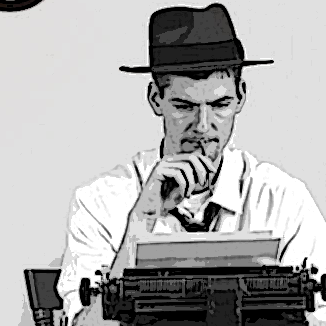

A brand marketing and community building career in golf no longer starts on a driving range, it starts wherever culture is actually being made, and few people prove that better than Ray Mate', the "Cultural Architect, Brand Marketing and Community building" figure whose Malakye profile puts him right on the pulse of what is happening in golf. If you have ever wondered what the modern version of this job looks like, the kind that blends taste, storytelling, and community into something brands will pay real money for, Ray's path is a working blueprint.
Malakye caught up with him for our 3x3 interview series, the format that cuts the fluff: every guest gets a choice, answer three questions or take three minutes, no rambling and no filler. As we put it in the intro, Ray is "a legendary figure and tastemaker in the NYC skate & streetwear scene over the years, and today you'll find him creating in the golf industry." He opted for three questions, and, in his words, we almost stuck to it.
From NYC Skate Culture to a Career in Taste
To understand where Ray is now, you have to understand where he built his instincts. He co-founded the New York streetwear label Mighty Healthy, a brand rooted in the city's skate scene that Complex documented across its first decade as one of the more authentic voices in downtown streetwear. That is the foundation of a real brand-marketing career: not a marketing degree, but years spent close enough to a culture to know what feels true and what feels forced.
Ask him where the ideas come from and he keeps it plain. "We use inspirations like New York, fashion, skateboarding, music, it's culture that fuels the brand," he told Life+Times. His theory on staying relevant is just as blunt: "What keeps us relevant and on the map and why people still recognize Mighty Healthy is because the product is always good." That is the entire brief for this kind of job compressed into two sentences. Understand the culture, then make sure the thing you put into it actually holds up.
He also carries a builder's mentality that anyone eyeing this path should steal. "You just have to figure it out. You have to keep on falling on your face until you learn how to do it," he said in that same conversation, adding that "a lot of skaters are good at making something out of nothing." Brand marketing and community building reward exactly that trait, because so much of the job has no template. You are inventing the reason people should care.
Why Golf, and Why Now
Here is the part that makes Ray's pivot look less like a leap and more like perfect timing. Golf is in the middle of a genuine cultural surge, and the numbers back it up. According to Sports Illustrated, "golfers in the 18-34 age group are now the largest group of on-course players at an estimated 6.3 million," and 2024 was "on track to be the fifth straight year where more than 500 million rounds of golf will be played in the U.S." The game is getting younger, and it is getting bigger.
That younger wave does not enter golf the way their parents did. They come in through fashion, through footwear, through social feeds and off-course venues, which is precisely the territory a tastemaker from streetwear is built to own. When the audience shifts from country-club traditionalists to a culture-first, style-driven crowd, brands suddenly need people who speak that language natively. That need is the job, and it is why "Cultural Architect" stopped being a vanity title and started being a hiring category.
The Real Work: Building Community, Not Just Content
The clearest window into what this career actually involves is Ray's work in golf's streetwear crossover. Monster Children described him as being "at the helm of the Hypegolf ship," the golf vertical born out of Hypebeast, the Hong Kong founded media company that has spent years covering fashion, sneakers, art, design, and music. Golf was the natural next vertical, and someone had to give it a voice.
Ray's account of the origin is the least corporate thing you will read all week: "I think we should have a voice in this." No deck, no five-year plan, just a conviction that the intersection of golf and street culture deserved a real home. And when he explains why it works, it is all about people, not product. "The mentality attracts the same people," he told Monster Children, pointing to the crossover with skateboarding, and noting that golf "keeps you young and it's a lot of fun." He even credits brands like "Malbon and then Metalwood just because of the connection with cool and the connection with skateboarding" for pulling that crowd in.
The community he describes sounds nothing like a stuffy pro shop. "It's super relaxed, it's almost like we're at a skatepark," he said of the vibe. That single line is the whole discipline of community building. You are not broadcasting at an audience, you are creating a room people want to stand in, and then you make the brand a natural part of that room. Do it right and the marketing takes care of itself, because the community becomes the marketing.
Turning This Into a Career You Can Actually Chase
So what does the job title "Cultural Architect, Brand Marketing and Community building" translate to on a hiring wish list? A few things Ray models directly. Deep, genuine credibility in a culture, the kind you cannot fake and cannot buy. A product instinct sharp enough to know what belongs and what does not. And the community sense to build gathering places, events, and stories that give people a reason to keep showing up. Those are transferable skills. The culture happens to be golf right now, but the same operator thrives in run, in skate, in outdoor, in anything with a passionate core and a growing edge.
This is the exact kind of work Malakye has connected people to since 2002, across the action sports, outdoor, and lifestyle industries. If Ray's path lights something up in you, the move is to study the field the way he studies culture. Browse the companies building at this intersection of sport and style, then dig into open jobs in brand marketing, community, and creative. The brands chasing golf's new audience, and the ones chasing the next culture after it, are hiring for exactly the instincts Ray has spent over two decades sharpening.
The lesson from Ray Mate' is not "get into golf." It is that a career built on real taste and real community travels anywhere the culture goes. He went from making something out of nothing in NYC streetwear to helping shape how a whole generation discovers golf, and he did it by staying close to people and keeping the product good. That is a job worth building toward, and the door is more open right now than it has been in years.
Keep up with Ray on Instagram at @mate_nyc, and watch the full 3x3 interview on Malakye.
Links Cited on this Page
You Might Also Like
 Golf Equipment Jobs Are Heating Up: Footwear Design at Adidas Golf and the Broader Hiring Surge
 The Return of the Classic Skate Shoe: Inside the Heritage Footwear Comeback
 Volcom and Ryan Immegart: A Case Study in Building One Deep, Loyal Action Sports Career
 Fun Day Surf: How Pro Surfer Jamie O'Brien Turned a Massive Audience Into a Real Soft-Top Brand
 Archive Revivals and Heritage Drops Are Changing Who Golf and Outdoor Brands Hire