
Blog
The Return of the Classic Skate Shoe: Inside the Heritage Footwear Comeback

Classic skate shoes are back, and the flat vulcanized soles, gum outsoles, and fat suede silhouettes that defined a generation of skateboarding are moving off shelves faster than anything to come out of a hype lab in years. Walk any skate plaza, any streetwear drop, any high school parking lot right now and you will see it: the chunky cup soles and knife-edge tech runners of the 2010s have given ground, and the heritage skate shoe is standing back on the pedestal it built in the first place. This is not a costume. It is a genuine market shift, and for anyone who works in action sports, footwear, or streetwear, it is worth understanding what is driving it and what it means for the jobs behind the brands.
Here at Malakye we have watched footwear cycles come and go since 2002, and this one has real weight behind it. To make sense of the comeback, we looked at the numbers, the product, and the people, including Sebastian Perez, a Barcelona-based brand and sales strategist whose Malakye profile describes over two decades bridging shops, riders, and global labels across skate, lifestyle, and streetwear. His kind of career is exactly the sort the industry needs more of as classic footwear roars back.
The comeback is measurable, not just vibes
Start with the market signal that everyone in footwear noticed. WWD reported that Vans' Old Skool comeback signals a broader skate shoe revival, with industry experts pointing to a resurgence for the whole vulcanized sneaker category (WWD). When the trade press starts using the word "revival," it is usually because the classic look has already outrun the trend forecasters.
That revival is happening against a genuinely difficult backdrop for the category's biggest name, which is part of what makes the story so interesting. In VF Corporation's fiscal fourth quarter of 2025, Vans revenue fell 22 percent, part of a year in which the parent company posted total revenue of $2.1 billion, down 5 percent (Yahoo Finance). VF chief executive Bracken Darrell said that excluding Vans, the company would actually have seen revenue grow, and framed the turnaround as well underway (Retail Dive). Darrell told investors, "the actions we are taking will enable our brands to return to growth and VF to deliver strong, sustainable value creation" (Yahoo Finance).
Read those two things together and you get the real lesson of this moment. The classic silhouette is more in demand than it has been in a decade, and that alone does not save a business. Product love and business health are two different scoreboards, and the brands winning right now are the ones translating heritage enthusiasm into disciplined product, distribution, and hiring. That gap is where careers get made.
Old models, new engineering
The smartest heritage plays are not lazy nostalgia. They rebuild the classic from the inside out. Look at the Vans Skate Old Skool 36+, which launched on January 30, 2025 at $80. It keeps the instantly recognizable low-top profile and the vulcanized rubber midsole, then loads it with modern skate technology: DURACAP reinforcement in high-wear areas, a POPCUSH insole for impact protection, and a SICKSTICK gum rubber outsole with the signature waffle pattern (Sole Retriever). Same face, completely re-engineered guts. That is the formula.
Vans is not alone. The heritage tech brands of the early 2000s are back in the game too. éS, which was created in 1995 to push skate comfort, style, and function, has leaned hard into reissues of its most beloved models, bringing back the Muska, the Scheme, the Creager, the One Nine 7, the Two Nine 8, the Quattro that first debuted in 1998, and the iconic Accel OG (Yahoo Lifestyle). For a skater who came up watching video parts in the late 1990s and early 2000s, those names hit like a soundtrack. For the brands, they represent archives full of proven silhouettes that a new generation is discovering for the first time.
Why classic skate shoes are back
Three forces are stacking on top of each other. First, authenticity fatigue. After years of maximal cushioning and lab-speak marketing, a lot of buyers want something honest, flat, and skateable, a shoe with a story instead of a spec sheet. Second, the culture flywheel. Skate style has always exported straight into mainstream fashion, and when the core scene rides a shape, the streets follow within a season or two. Third, nostalgia as a genuine product strategy. Reissuing a 1998 silhouette is lower risk than inventing one, because the design already earned its place, and the emotional pull is baked in.
The through line is credibility. A classic skate shoe only works if the people who actually skate believe in it. That is why brands cannot fake this comeback from a spreadsheet. They need product people, sales people, and marketing people who live inside the culture and can tell the difference between a respectful revival and a hollow throwback.
What the revival means for jobs
Every one of these reissues represents a chain of jobs. Someone has to comb the archive and choose which models come back. Someone has to re-engineer a vulcanized sole so it survives modern skating. Someone has to seed product to the right riders and shops so the launch reads as real. Someone has to sell it into wholesale accounts across regions, manage the DTC story, and keep the brand honest. When a category heats up, hiring follows, from product development and merchandising to sales, brand marketing, and retail. You can see the current openings across the industry on the Malakye jobs board, and the brands doing the hiring live on our company pages.
The VF numbers are a reminder that this is a discipline, not a party. Even with a beloved icon, growth requires the right people making the right calls on distribution, pricing, and product mix. The heritage boom rewards operators who understand both the culture and the commercial machine behind it.
How a long international skate career gets built
That combination, culture credibility plus commercial skill, is exactly what a career like Sebastian Perez's is made of. His Malakye profile describes a Barcelona-based brand and sales strategist with more than twenty years spent bridging shops, riders, and global labels across skate, lifestyle, and streetwear. That description is worth slowing down on, because it maps almost perfectly onto what the heritage comeback demands.
Careers like that rarely start with a job title. They start at the shop counter, at the skate spot, at the trade show, in the messy space where a brand meets the people who actually wear it. Over years, you build a network of shops that trust your taste, riders who vouch for your authenticity, and brands that know you can move product without selling out the culture. Do that internationally, across a European hub like Barcelona and the global labels that flow through it, and you become the rare person who can carry a classic silhouette from archive to shelf to street. When the industry swings back toward heritage skate footwear, those are the exact hands you want on the wheel.
The path is repeatable, and that is the encouraging part. Get close to the core scene. Learn the product deeply enough to defend it to a skeptical skater. Learn the business deeply enough to defend it to a buyer. Build relationships that outlast any single job. The skate shoe revival is proof that the industry keeps circling back to what is real, and the people who invested decades in real relationships and real product knowledge are the ones best positioned when it does.
The bottom line
Classic skate shoes are back because the culture never actually let them go, and the brands turning that affection into durable business are the ones treating heritage as an engineering and hiring challenge, not a costume. The silhouettes are old. The opportunity is brand new. Whether you are a rider, a shop owner, a designer, or a sales strategist, the return of the classic skate shoe is a signal worth reading, and a very good time to build your own place inside the machine.
Links Cited on this Page
You Might Also Like
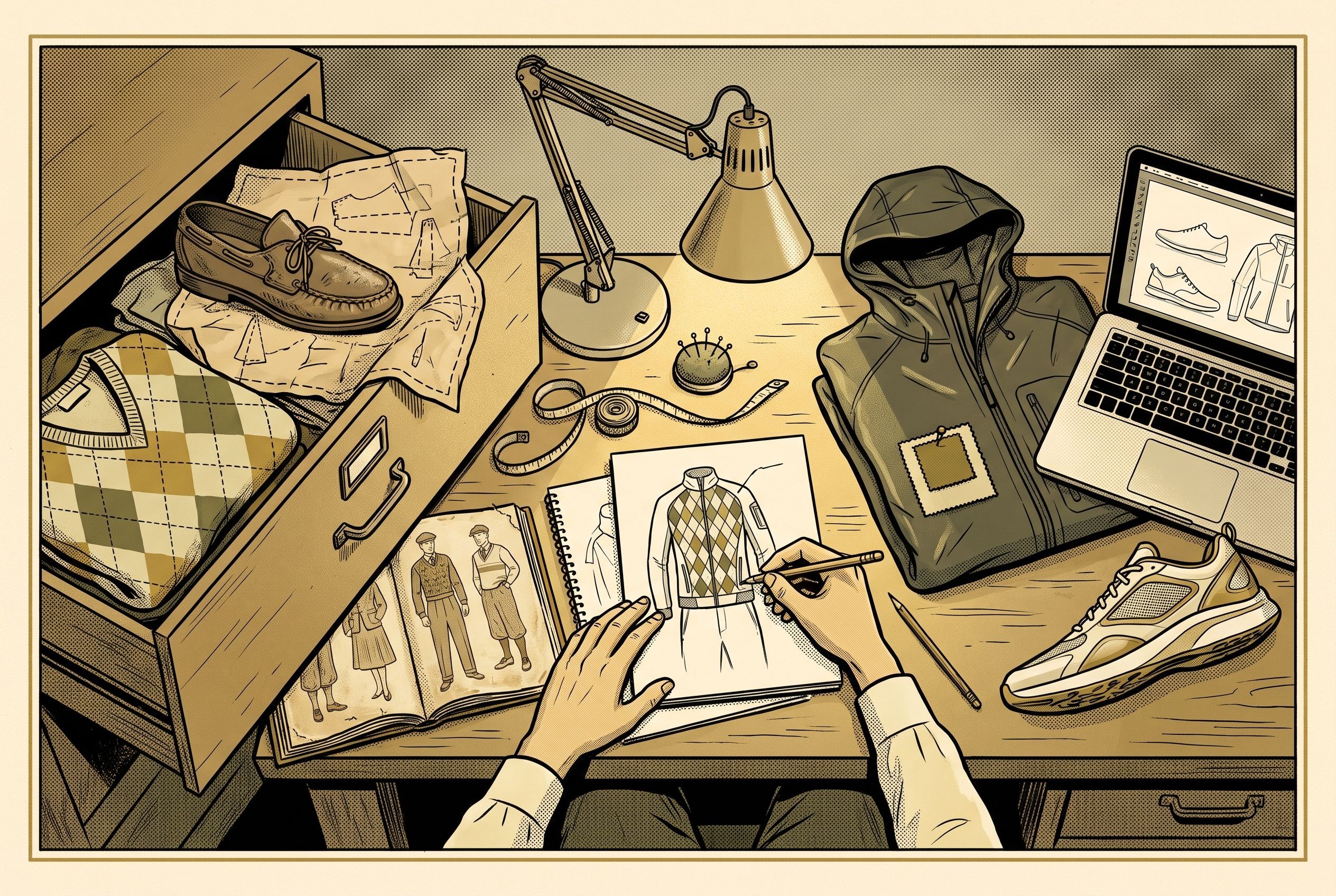 Archive Revivals and Heritage Drops Are Changing Who Golf and Outdoor Brands Hire
 Cultural Architect: What a Brand Marketing and Community Building Career in Golf Really Looks Like
 Golf Equipment Jobs Are Heating Up: Footwear Design at Adidas Golf and the Broader Hiring Surge
 Fun Day Surf Is Building a Real Company: What Its Senior Hires Reveal About Scaling a Surf Brand
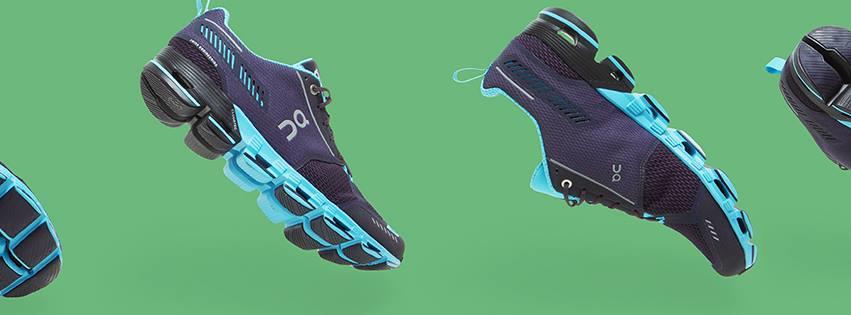 The On Running Story: From a Garden Hose Prototype to a Billion-Dollar Brand