
Blog
Write a Cover Letter With AI That Still Sounds Like You

Let's be honest about the cover letter. Plenty of people tell you it's dead, and plenty of hiring managers skim right past it. But in the action sports and outdoor world, where hiring is still a small, tight community that runs on people knowing people, a sharp cover letter is your chance to sound like a human being instead of a PDF. It's where you connect your story to their brand. AI can help you write that letter faster and cleaner, but only if you use it as a tool and not a ghostwriter. We've watched candidates on Malakye since 2002, and the ones who win are the ones who still sound like themselves. Here's how to use AI to get there without turning into a robot.
Why a Cover Letter Still Matters
A resume tells a brand what you did. A cover letter tells them why you're the person who fits their culture, and in this industry culture is everything. A softgoods design manager at a board brand and a marketing lead at a running company are looking for completely different energy, even if the job titles look similar. The letter is where you prove you get the difference. And it works: an MIT Sloan study of nearly half a million job seekers found that applicants who got AI writing help on their application materials were about 8% more likely to be hired than those who didn't (MIT Sloan). Cleaner writing gets more callbacks. That's the whole game.
What AI Is Actually Good At (and What It's Not)
Treat AI like a strong intern. Fast, tireless, decent at structure, and completely clueless about who you are unless you tell it. The tools have gotten good enough that even LinkedIn now offers AI cover letter help to its Premium members. Here's the honest split.
- AI is good at: organizing a messy pile of your accomplishments, matching your language to a job posting, fixing grammar and flow, cutting a bloated paragraph in half, and getting you past the blank page.
- AI is bad at: knowing your voice, your real wins, your reasons for wanting this job, and the specific detail that makes a hiring manager stop and think "this person actually gets us." It will invent things if you let it, and a fabricated claim will sink you the moment someone asks about it in an interview.
The takeaway: let AI handle the scaffolding. You handle the soul.
The Workflow: Draft It in Four Passes
Don't ask AI to "write me a cover letter." That's how you get generic mush that reads like every other applicant. Work it in passes instead.
- Pass one, feed the posting. Paste the full job description into the tool and ask it to pull out the top five things this brand actually cares about. This forces you to answer the real ask instead of guessing.
- Pass two, feed your wins. Paste in a plain list of your accomplishments (more on that below). Ask AI to match your wins to the five priorities it just found.
- Pass three, draft. Now ask for a first draft, three short paragraphs, no filler, in a warm and direct tone. You're looking for a skeleton, not a final product.
- Pass four, you take over. Close the tool. Rewrite it in your own words. This is the pass that saves you.
Before you even open a tool, go pull three or four jobs you'd genuinely want off our jobs board so you're working from a real posting, not a hypothetical.
Feed the Machine Your Real Wins
AI can only work with what you give it, and "I'm a hard worker" gives it nothing. Before you draft anything, write yourself a raw brag sheet. No formatting, just facts:
- Numbers you moved (revenue, units, followers, sell-through, event attendance).
- Products or campaigns you shipped and what happened after.
- Problems you solved that nobody else wanted to touch.
- Why this specific brand matters to you personally.
That last one is the secret weapon. If you learned to skate in Vans, if you have a specific opinion on the way Patagonia handles its supply chain, if you've ridden a Burton board since you were twelve, say so. That kind of detail is the one thing AI can never generate for you, and it's the thing hiring managers remember. Doing your homework on the brand first makes this pass ten times easier, and we walk through exactly how in our guide to researching a company with AI before you apply.
Edit for Voice: Cut the Fluff, Add the Grit
AI-written text has tells, and hiring managers have learned to spot them fast. Your editing pass is where you strip them out. Hunt down and kill the following:
- Puffed-up openers like "I am writing to express my enthusiastic interest in this exciting opportunity." Nobody talks like that. Open with something real.
- Empty adjectives (passionate, dynamic, results-driven, detail-oriented). Show it with a fact instead of claiming it with a buzzword.
- Perfectly balanced sentences that all run the same length. Break the rhythm up. Use a short one. Then a longer one that actually says something.
- Anything you wouldn't say out loud to the hiring manager over a beer at a trade show.
Read your final draft out loud. If it sounds like you, you're done. If it sounds like a press release, keep cutting. Your goal isn't a perfect letter, it's a letter that sounds like a real person who happens to be a great fit.
A Quick Human Check Before You Hit Send
Run this last checklist every single time, no shortcuts:
- Did you name the brand and something specific about it? (Generic letters get deleted.)
- Is every claim in there actually true and defensible in an interview?
- Did you cut every sentence that doesn't earn its spot?
- Does it point back to the posting's real priorities, not your assumptions?
- Would you recognize it as your own writing?
One more thing: a cover letter is one lane, and the letter that beats the human is a different job than the letter that beats the software. If your application keeps vanishing into the void, that's usually a formatting and keyword problem, and we cover it head-on in Beat the ATS With AI. Then go find the brands worth writing to in our companies directory, and get after it.
Links Cited on this Page
You Might Also Like
 Use AI to Research a Company Before You Apply or Interview
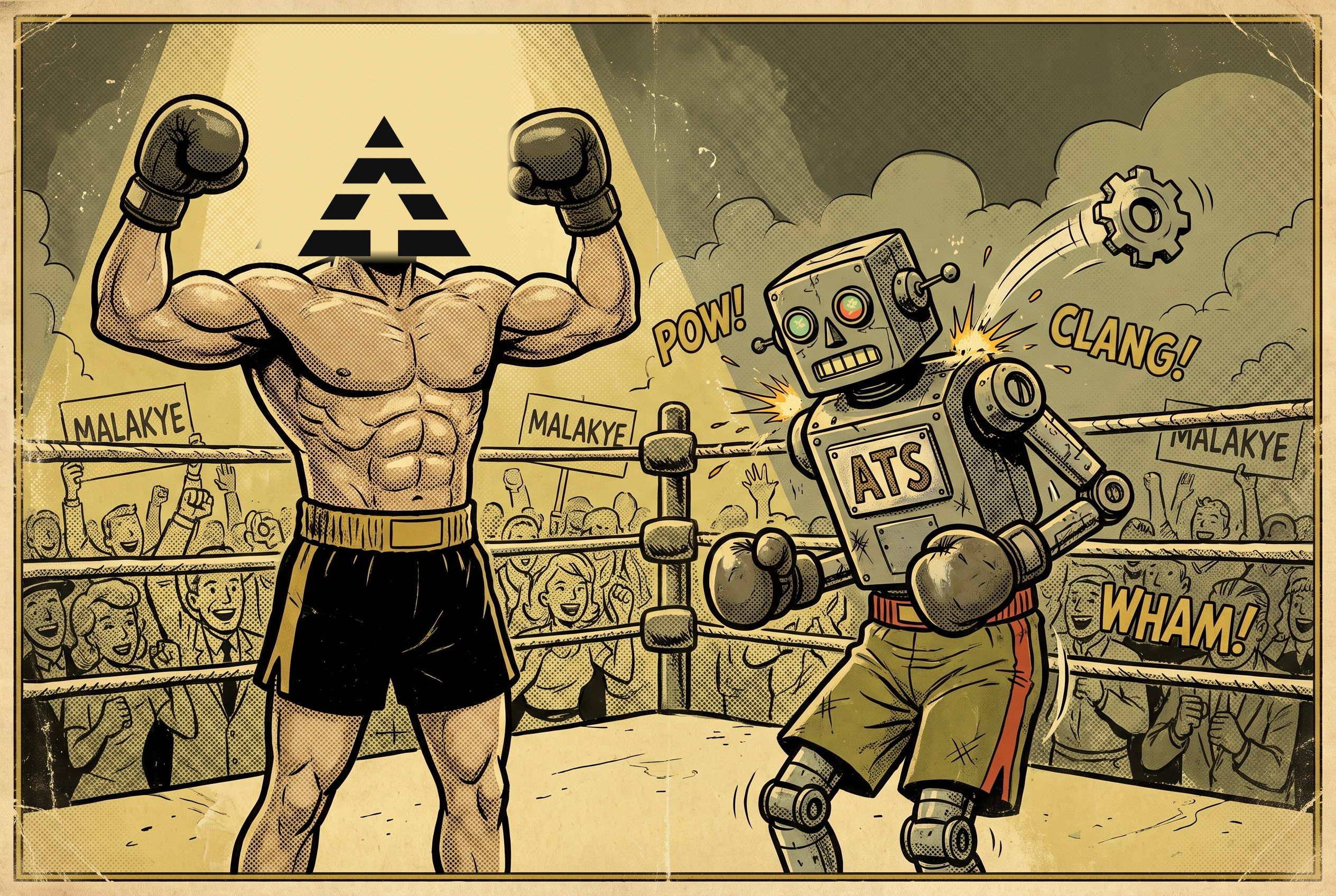 How to Beat the ATS With AI (Without Sounding Like a Robot)
 The Portfolio Audit: How to Show Your Best Work Before You Hit Send on Your ApplicationRun Your Own Mock Interview: How to Prep for an Action Sports Job Interview
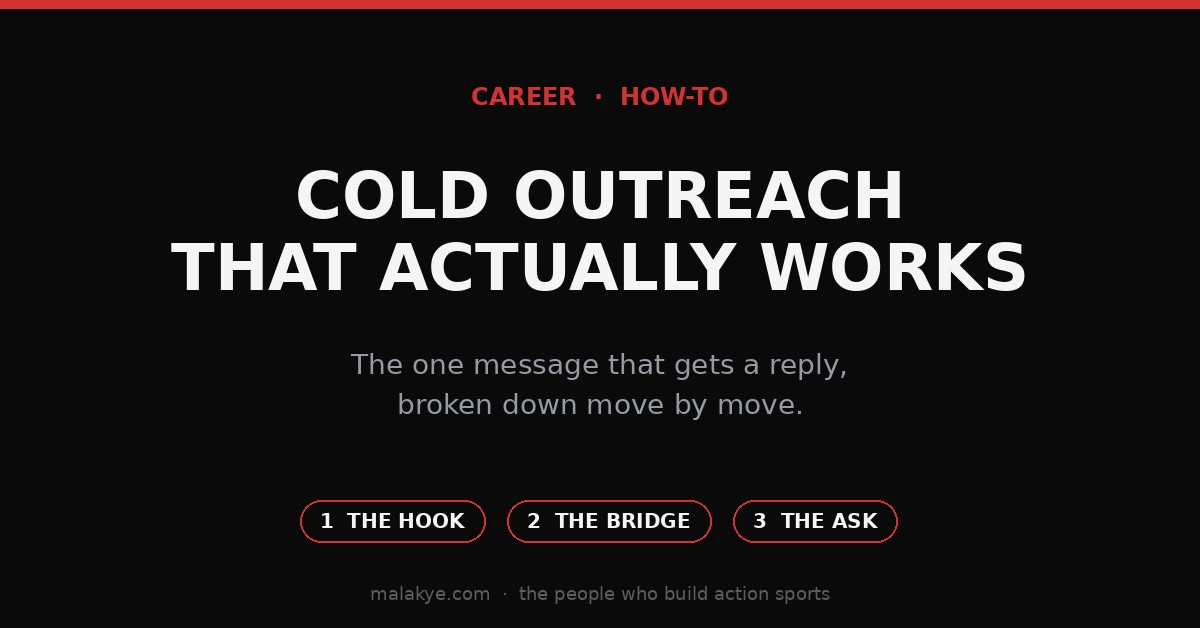 Cold Outreach That Works: The One-Message Formula That Gets a Reply